
Mold Inspection
A complete property assessment for visible growth, musty odours, water damage and moisture concerns.
 IICRC Certified
 VRCA Certificate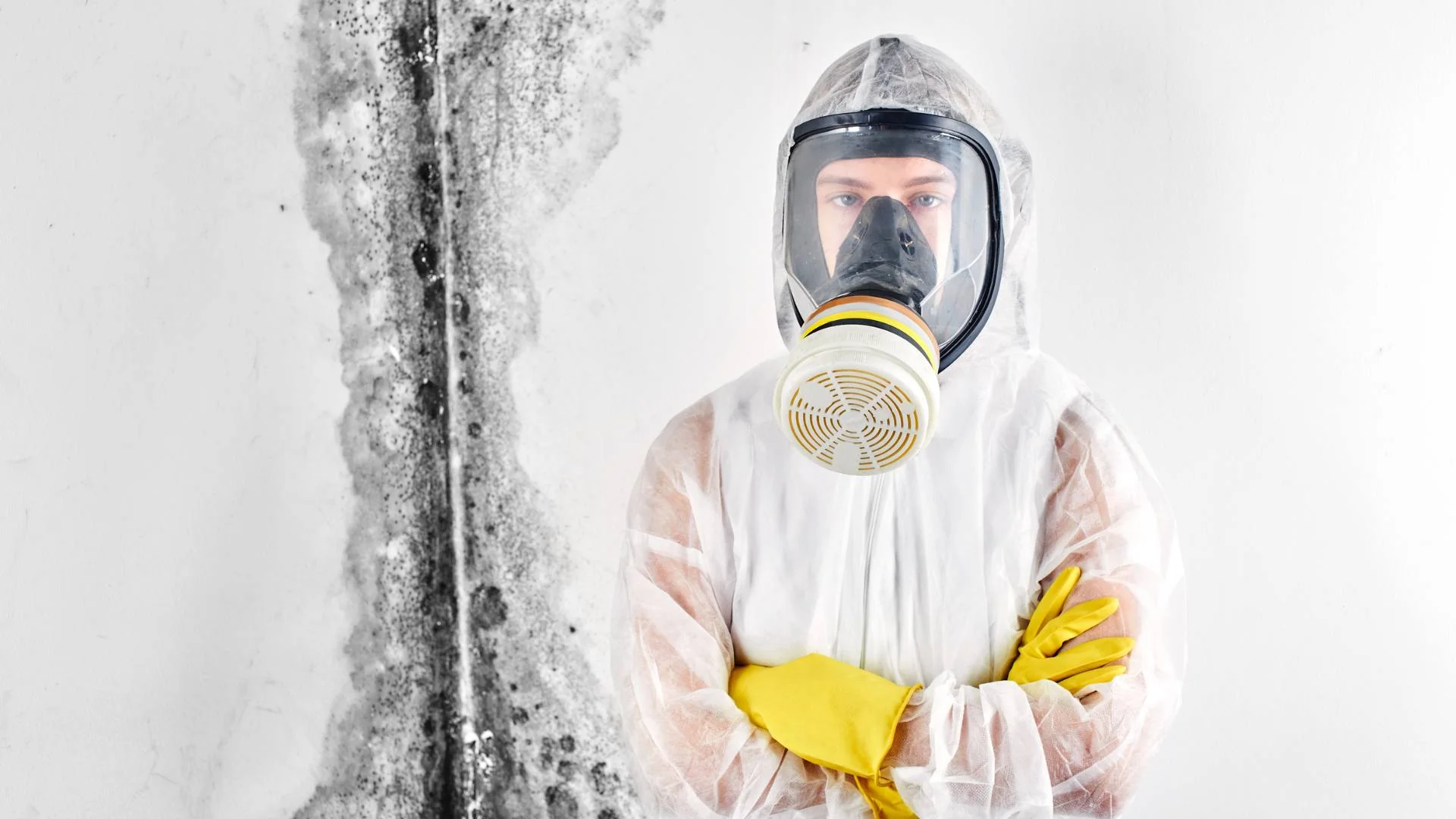
Local mold and moisture support
A clear, careful response to mold in homes, condos and commercial properties, from the first assessment through containment, cleanup and moisture correction.
Start with the source
Mold is usually a sign that building materials have remained damp. The moisture may come from a roof or plumbing leak, wind driven rain, condensation, foundation seepage, an appliance failure or incomplete drying after water damage. Removing visible growth without finding that cause can lead to repeated damage.
A practical remediation plan begins by understanding what materials are affected, how far the moisture may have travelled and whether the work area needs containment. Porous materials that are damaged or deeply affected may need to be removed, while sound structural surfaces may be cleaned using an appropriate method.
West Vancouver properties face a long wet season, varied elevations and many different construction types. Waterfront condos, older homes near established neighbourhoods and complex hillside residences each require a site specific assessment rather than a one size fits all approach.
Complete property support
Choose the service that best matches what you are seeing. If you are unsure, call or send the form and describe the location, approximate size, odour and any known water event.
A complete property assessment for visible growth, musty odours, water damage and moisture concerns.
Targeted sampling and clear interpretation when testing will answer a useful property question.
Moisture focused investigation for hidden growth, recurring odours and unexplained material changes.
A measured assessment of dark growth that considers moisture, material condition and extent.
Review roof sheathing, ventilation, exhaust ducts, leaks and condensation patterns.
Assess damp framing, exposed soil, drainage, plumbing and below floor humidity.
Document unit conditions while considering neighbouring suites and common building systems.
Organized findings for owners, tenants, property managers and operational planning.
Mold related indoor air sampling supported by building and moisture observations.
A controlled approach
The exact scope depends on the property, but a responsible process follows the same priorities: stop moisture, limit spread, address affected materials and confirm the area is ready for the next stage.
Document visible conditions, water history, affected materials and likely moisture pathways.
Define access, containment, material handling and protection for adjacent areas.
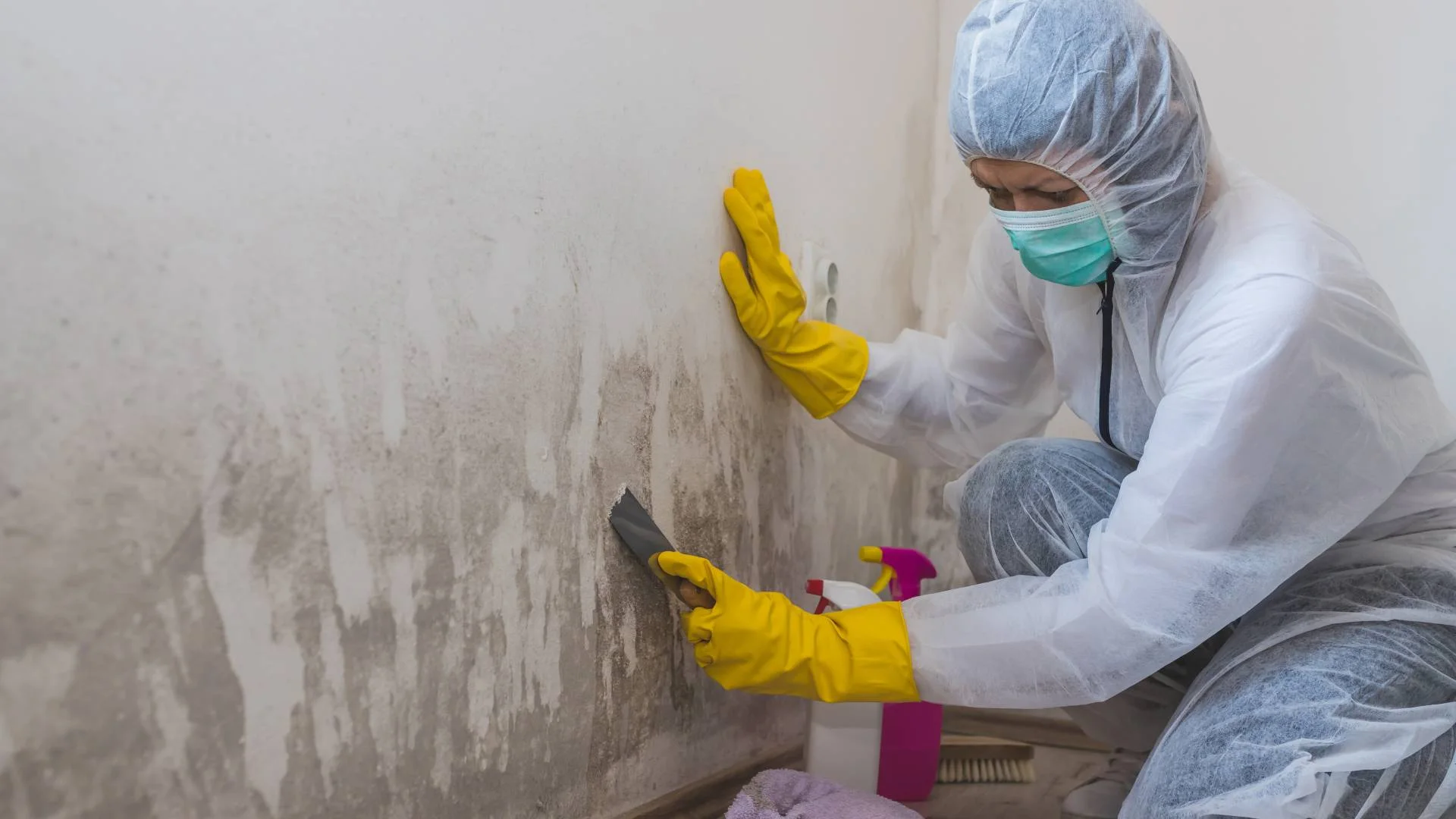
Remove materials that cannot be retained and clean remaining surfaces using methods suited to the material.
Confirm source correction and drying needs before reconstruction covers the affected assembly.
Work that fits the building
Disturbing mold affected drywall, insulation or other porous material can release dust and debris. Containment, controlled access and an appropriate cleaning sequence help keep the project organized.
The work plan should account for the size of the affected area, occupied rooms, pathways through the property and how removed materials will leave the site.
Common locations
Roof leaks, bathroom exhaust, ceiling air leakage and seasonal condensation can create dark staining on wood sheathing. The moisture pattern must be understood before treatment.
Foundation moisture, drainage, exposed soil and plumbing leaks can keep framing and stored materials damp. Below grade conditions often require water management as well as remediation.
Condensation, failed seals, envelope leaks and limited air circulation behind furniture can produce recurring growth near colder surfaces.
Plumbing, exhaust, appliance connections and repeated humidity make these rooms common starting points for moisture investigations.
Local service coverage
Service is focused on West Vancouver homes, condos, strata properties and commercial spaces. Local climate, site drainage, building age and construction details are considered as part of the assessment.
Call (604) 800-3900 or use the request form to explain what you found.
Useful answers
Mold remediation generally includes assessing the affected area, controlling the moisture source, containing the work zone, removing material that cannot be cleaned, detailed cleaning and preparing the area for repair.
Mold and the moisture source should be investigated promptly. Delays can allow damp materials to remain affected and may increase the eventual scope of work.
Yes. Service is focused throughout West Vancouver, including Ambleside, Dundarave, British Properties, Caulfeild, Horseshoe Bay, Eagle Harbour and nearby neighbourhoods.
No. Visible mold and known water damage may already provide enough information to plan work. Testing is most useful when it answers a specific question or affects the scope.
Mold can return when the moisture source or damp conditions continue. Effective remediation includes correcting leaks, condensation or ventilation problems that allowed growth.
West Vancouver mold help
Call to explain what you have noticed, or use the request form and include the location of the concern.