
Persistent musty odours
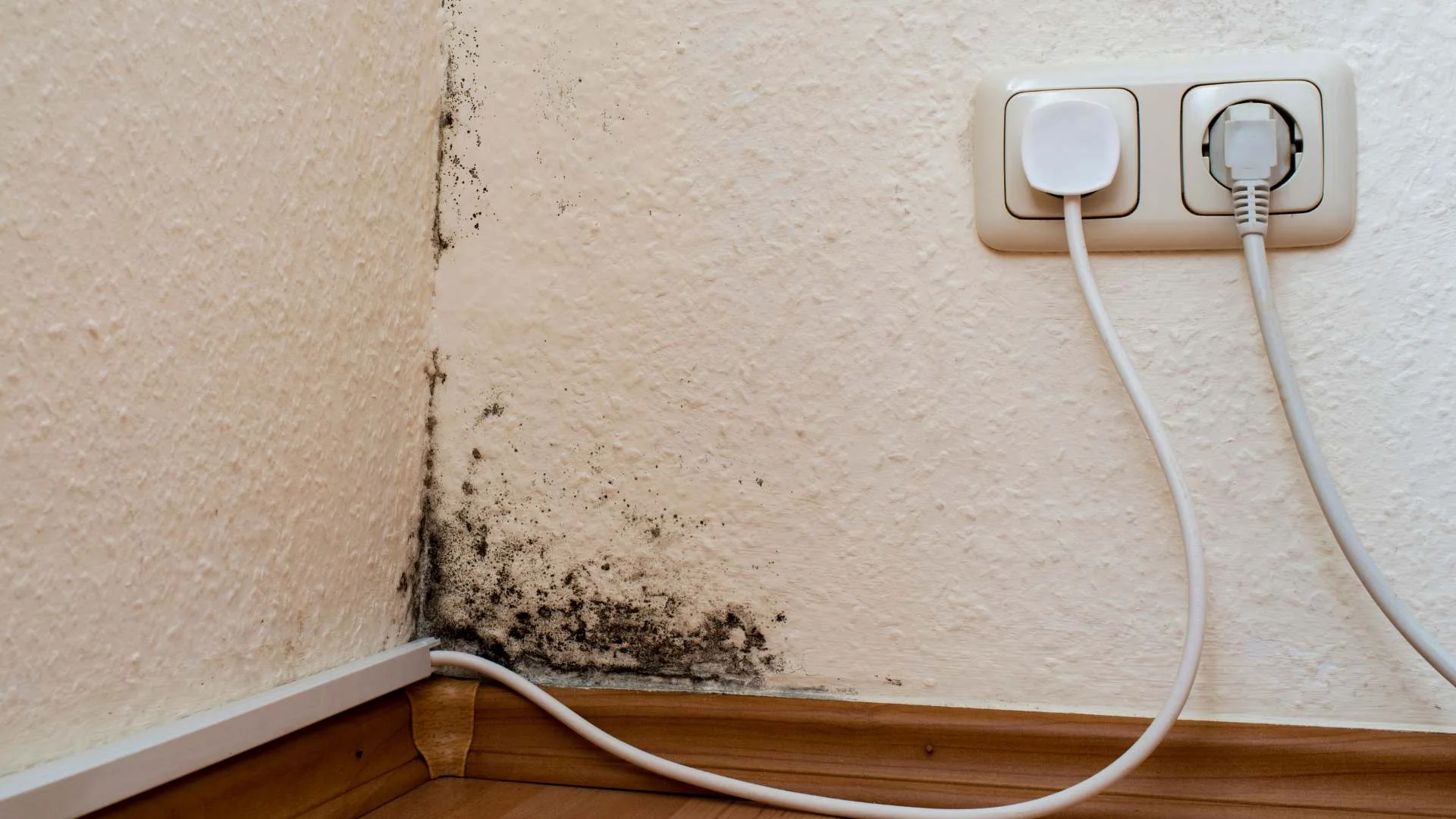
An odour without obvious visible growth may point to a concealed damp area that needs investigation.
 IICRC Certified
 VRCA Certificate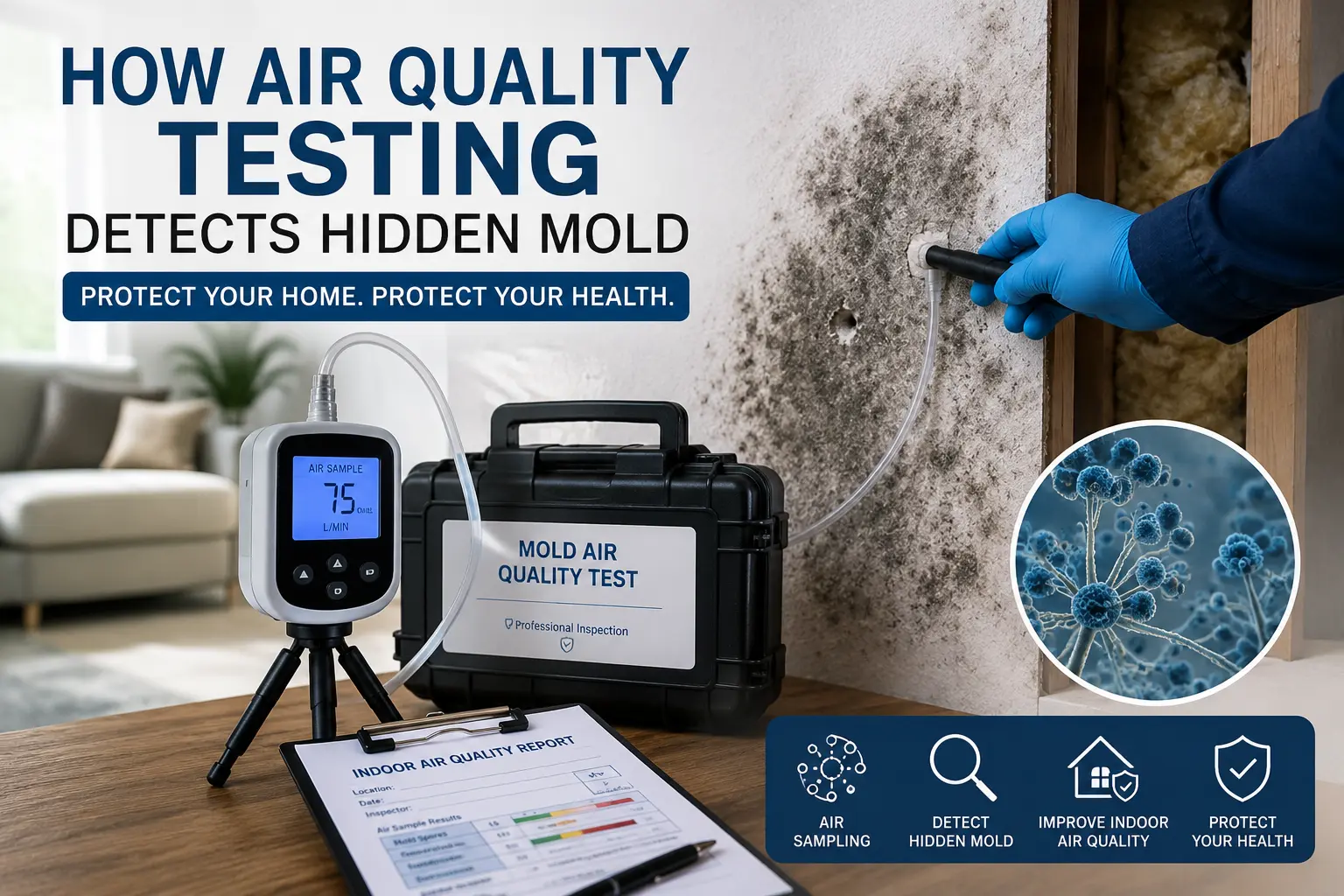
Mold testing • West Vancouver
Get clearer information about a suspected mold concern, the affected area and the next practical step for your property.
Evidence before decisions
Mold testing can be useful when there is a musty odour, a history of water intrusion or concern about an area that cannot be fully inspected visually. Testing is not a substitute for finding moisture; it is one source of evidence used alongside the building history, visible conditions and moisture readings.
West Vancouver properties can experience roof leaks, wind driven rain, plumbing failures and condensation around colder exterior assemblies. A focused assessment helps determine where sampling may add value instead of collecting samples without a clear question.
The goal is to produce information that supports a decision: whether further investigation is needed, whether remediation should be considered, or whether conditions should be monitored after a moisture issue is corrected.
Reasons to investigate
Not every discoloration requires laboratory sampling, and visible mold often already indicates a moisture problem. Testing becomes more useful when conditions are uncertain, documentation is needed or hidden impact is suspected.
A site specific plan reduces unnecessary sampling and places attention on the areas most likely to answer the property owner’s concern.
An odour without obvious visible growth may point to a concealed damp area that needs investigation.
Testing may help when materials were wet previously and the extent of drying or cleanup is uncertain.
Buyers, sellers or property managers may want clearer documentation about a suspected indoor condition.
Independent verification may be considered after cleanup when the scope or project requirements call for it.
Bedrooms, nurseries, offices and frequently occupied rooms may warrant a careful, targeted approach.
Condo and strata situations can require organized findings that separate unit concerns from common property issues.
A clear local process
Testing begins with the question you need answered. The inspection and sampling approach should match the building, the concern and the intended use of the results.
Review the property type, locations involved, water history, odours and any visible changes.
Look for moisture indicators, material damage and conditions that may influence sample placement.
Where appropriate, collect air, surface or material samples with comparison locations selected for context.
Explain what the results can and cannot show, then outline reasonable next steps for the property.
Use results in context
A laboratory result should not be interpreted by number alone. Indoor and outdoor conditions, the type of sample, recent activity in the room and the visible building conditions all affect how results should be understood.
The most useful report connects observations and sampling results to the moisture conditions at the property. That connection helps owners avoid both dismissing a real problem and overreacting to a result that lacks context.
West Vancouver coverage
From older homes near Ambleside and Dundarave to newer construction in hillside neighbourhoods, property assemblies and moisture exposures vary. Testing plans should reflect the specific building rather than rely on a generic sample count.
Service is focused throughout West Vancouver for detached homes, condos, strata properties and commercial spaces.
Questions from property owners
Visible mold often already confirms that a moisture issue needs attention. Testing may still be useful when the extent is uncertain, documentation is required or another area may be affected.
Depending on the purpose, options may include air samples, surface samples or samples of affected material. The right method depends on the question being investigated.
A mold sample does not identify a leak by itself. Moisture measurements, building history and inspection are used to investigate the likely source.
Avoid cleaning or disturbing the area immediately before the visit. Share information about leaks, repairs, ventilation changes and any recent construction.
Yes. Service is focused on West Vancouver neighbourhoods including Ambleside, Dundarave, British Properties, Caulfeild, Horseshoe Bay and surrounding areas.
West Vancouver mold help
Call to explain what you have noticed, or use the request form and include the location of the concern.