
Mold on porous materials
Drywall, insulation, ceiling tile and other porous products may not be suitable for surface cleaning when growth is established within the material.
 IICRC Certified
 VRCA Certificate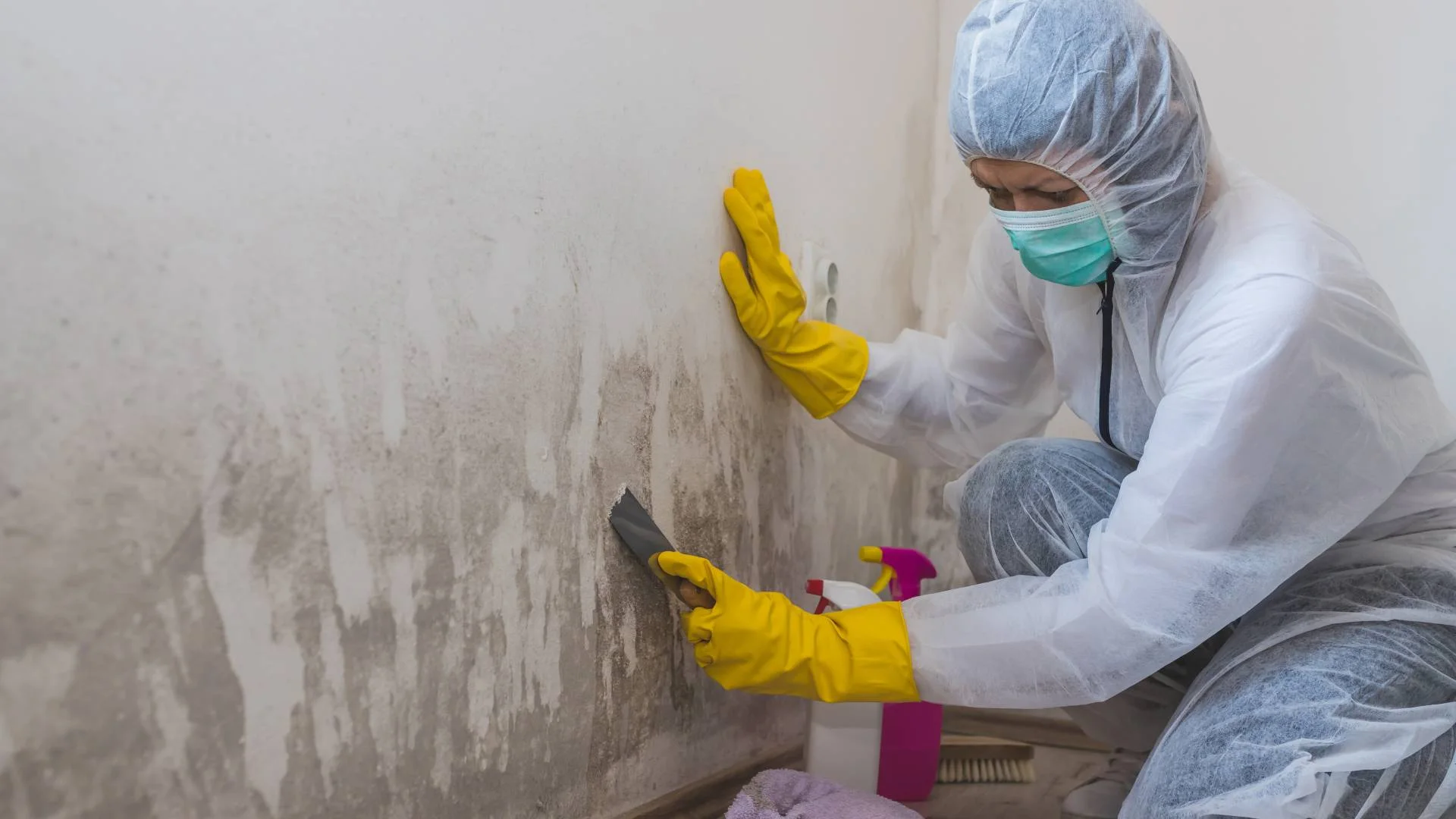
Careful removal and cleanup • West Vancouver
Remove mold affected materials safely, correct the moisture source and restore a healthier indoor environment with a clear project plan.
Removal with a purpose
Mold removal is most effective when the work addresses both affected materials and the reason they became damp. Cleaning a visible surface without correcting a leak, condensation problem or humidity condition can allow growth to return. A responsible plan starts by identifying the moisture source and understanding how far the impact extends.
West Vancouver properties experience long wet seasons, wind driven rain, shaded walls, ocean influenced humidity and varied hillside drainage. Indoor sources such as plumbing leaks, bathroom moisture and poorly vented appliances can add to those exterior conditions. The removal plan should reflect the actual building, affected materials and moisture pathway rather than applying the same method everywhere.
Some surfaces can be cleaned under controlled conditions, while porous materials with established growth may need to be removed and replaced. The decision depends on material type, condition, extent and whether contamination has entered concealed cavities. Our approach is designed to make that scope clear before unnecessary demolition begins.
When removal may be needed
Small areas and large losses do not require the same scope. The location, material and moisture history help determine whether cleaning, removal or further investigation is appropriate.
These common situations often need professional planning.
Drywall, insulation, ceiling tile and other porous products may not be suitable for surface cleaning when growth is established within the material.
A plumbing, roof or building envelope leak can affect materials beyond the visible stain and may require selective removal to reach the full area.
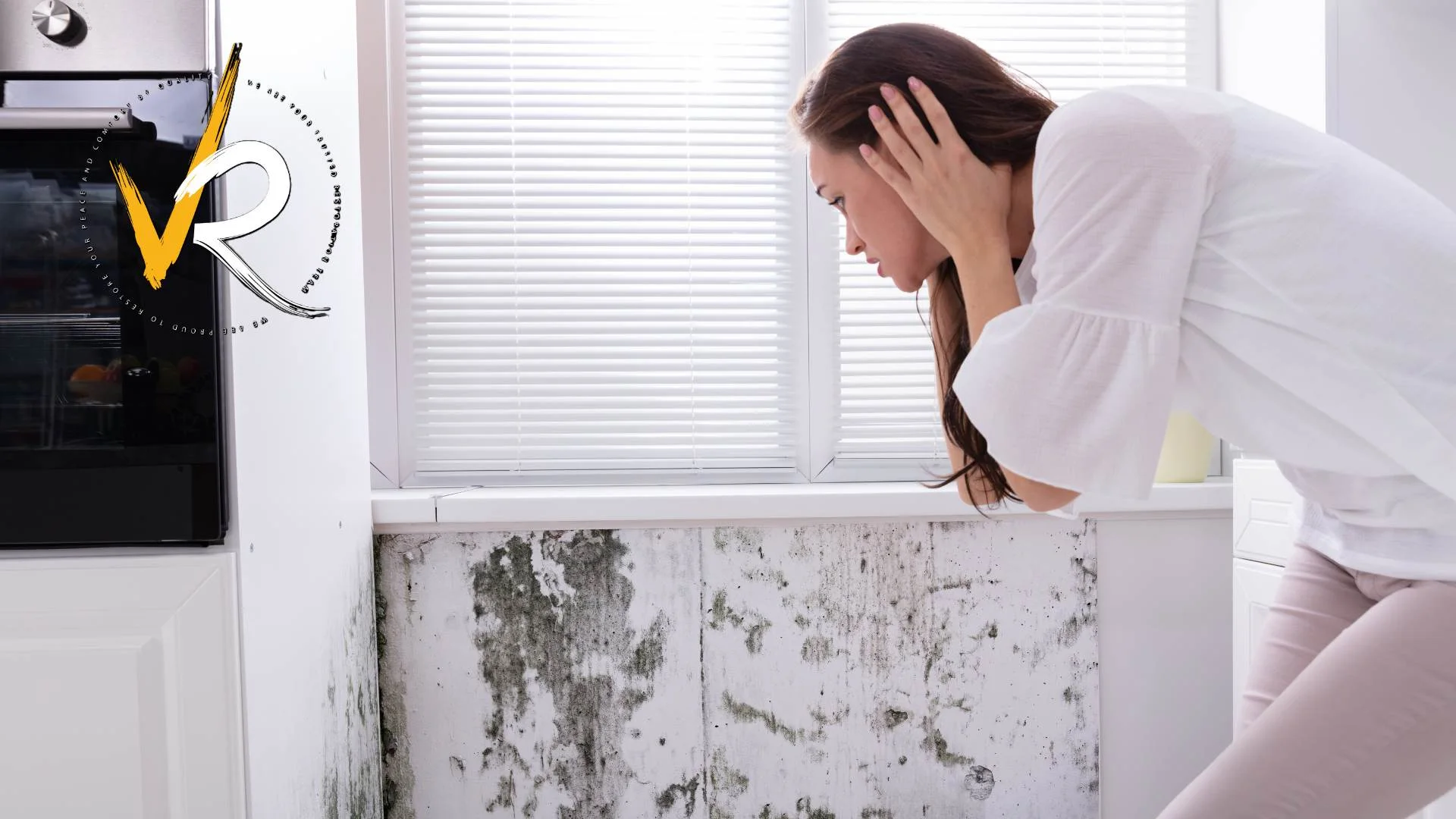
Mold that returns often signals unresolved moisture, incomplete cleaning or affected material behind the finished surface.
Concealed growth requires a planned opening method, dust control and careful handling of removed material.
Large wood surfaces, insulation and limited access can make these areas more complex than a typical interior room.
Homes with young children, older adults or people with health concerns benefit from careful work area separation and communication with appropriate health professionals.
A clear local process
Each project is scoped around the affected area, moisture source, occupants and materials that can be safely retained.
Inspection findings, moisture readings and visible conditions are used to define affected and adjacent materials.
Leaks and ongoing water entry should be stopped before removal begins whenever practical. Drying needs are included in the project sequence.
The work area is separated as needed to help control dust and particles. Access, contents and heating or ventilation pathways are considered.
Materials that cannot be retained are carefully removed. Suitable structural surfaces are cleaned using methods matched to the material and condition.
The work area is visually reviewed, cleaning is completed and any agreed verification is arranged before reconstruction proceeds.
A clear remediation scope
There is no single product or cleaning method that fits every mold concern. Smooth nonporous surfaces can often be cleaned, while heavily affected porous products may need removal. Wood framing may be suitable for detailed cleaning when it remains structurally sound and the moisture source has been corrected.
Containment needs also vary. A small localized area may require a simple controlled setup, while a larger project may need stronger separation, filtered air control and a defined route for waste. Occupancy, access and nearby heating or ventilation systems are part of that decision.
Reconstruction should not hide damp or incompletely cleaned materials. Moisture levels, visible cleanliness and any agreed post remediation checks should be considered before wallboard, insulation or finishes are installed.
Choose the right assessment
Different building areas create different moisture patterns. Explore the inspection service that best matches your concern.
Define the affected area and likely moisture source before removal begins.
Use targeted sampling when laboratory information will guide a specific decision.
Assess dark growth based on material condition, moisture and extent.
Investigate roof sheathing, ventilation, leaks and condensation.
Review framing, drainage and below floor moisture conditions.
Document concerns and plan work around business operations.
West Vancouver coverage
Mold removal service is available across West Vancouver, including Ambleside, Dundarave, British Properties, Caulfeild, Eagle Harbour, Gleneagles, Horseshoe Bay, Sentinel Hill and surrounding neighbourhoods. Projects can be planned for detached homes, condos, rental properties, strata buildings and commercial spaces.
Older West Vancouver homes may contain several generations of finishes and renovations, which can change how an affected cavity is accessed. Newer properties may have complex wall systems, tightly sealed interiors and mechanical ventilation that require a different approach. Local knowledge helps connect visible conditions with roof, drainage, envelope and indoor humidity factors.
For condos and managed properties, communication may include owners, tenants, strata representatives and property managers. The project scope should identify which spaces are included, who controls access and whether common building systems may be involved.
Questions from property owners
It depends on the material and extent. Surface growth from condensation may sometimes be cleaned, but drywall with established growth, water damage or concealed impact may require removal.
Mold can return if moisture returns. Correcting leaks, condensation, humidity and ventilation issues is essential to reducing the chance of recurrence.
That depends on the size and location of the project, the occupants and the containment plan. Access and occupancy should be discussed before work begins.
A small focused project may take less time than work involving several rooms, concealed cavities, drying or coordination with plumbing and building repairs. The scope determines the schedule.
Dark coloured mold can be removed using methods based on the affected material and extent. Colour alone does not identify the mold or determine the removal plan.
Not for every project. Visual review, moisture conditions and cleaning records may be sufficient for some work. Independent post remediation verification can be useful when it is part of the agreed scope.
West Vancouver mold help
Call to explain what you have noticed, or use the request form and include the location of the concern.