
Area and location
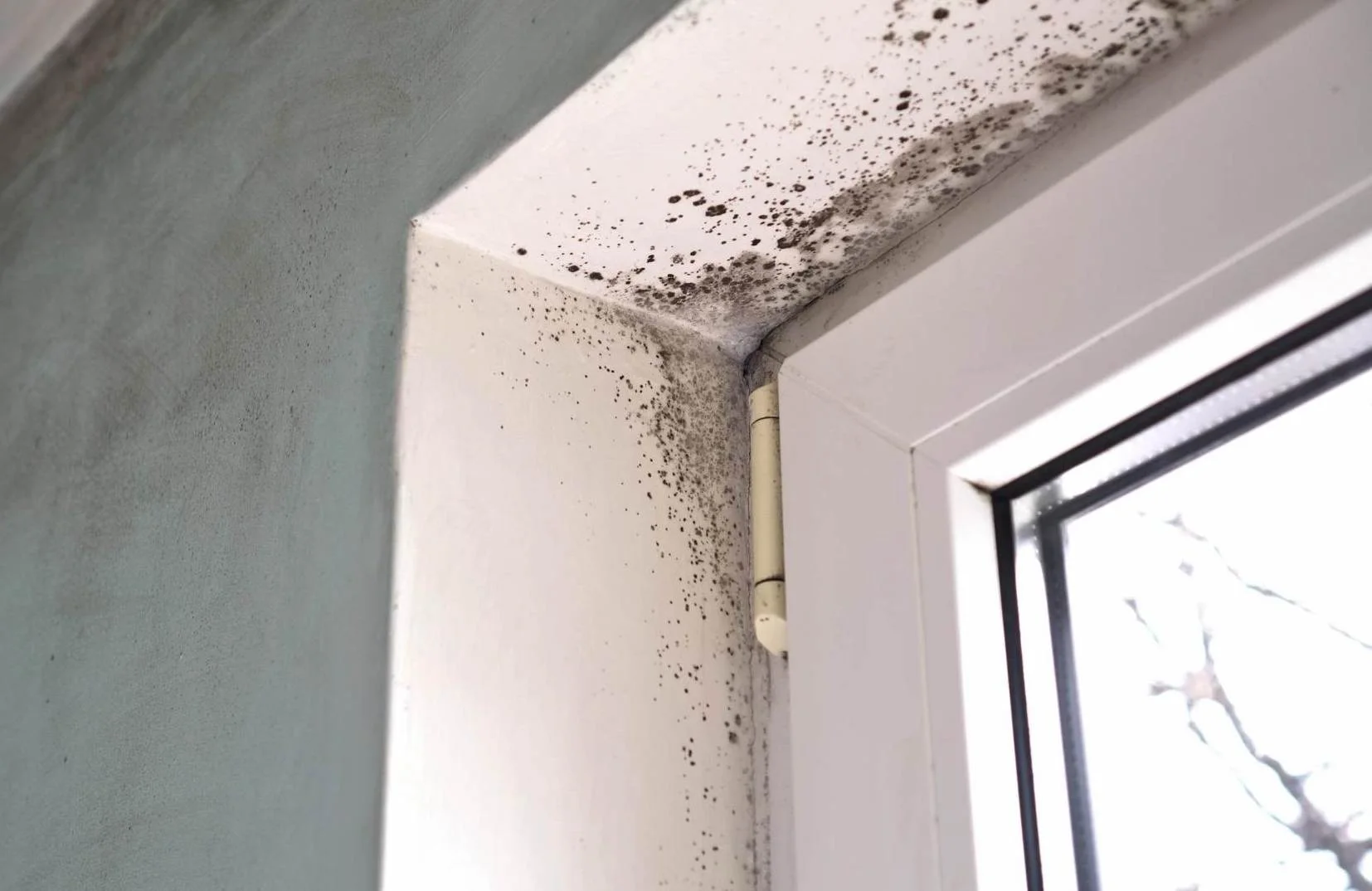
A small window edge patch is different from widespread growth across drywall, sheathing or framing.
 IICRC Certified
 VRCA Certificate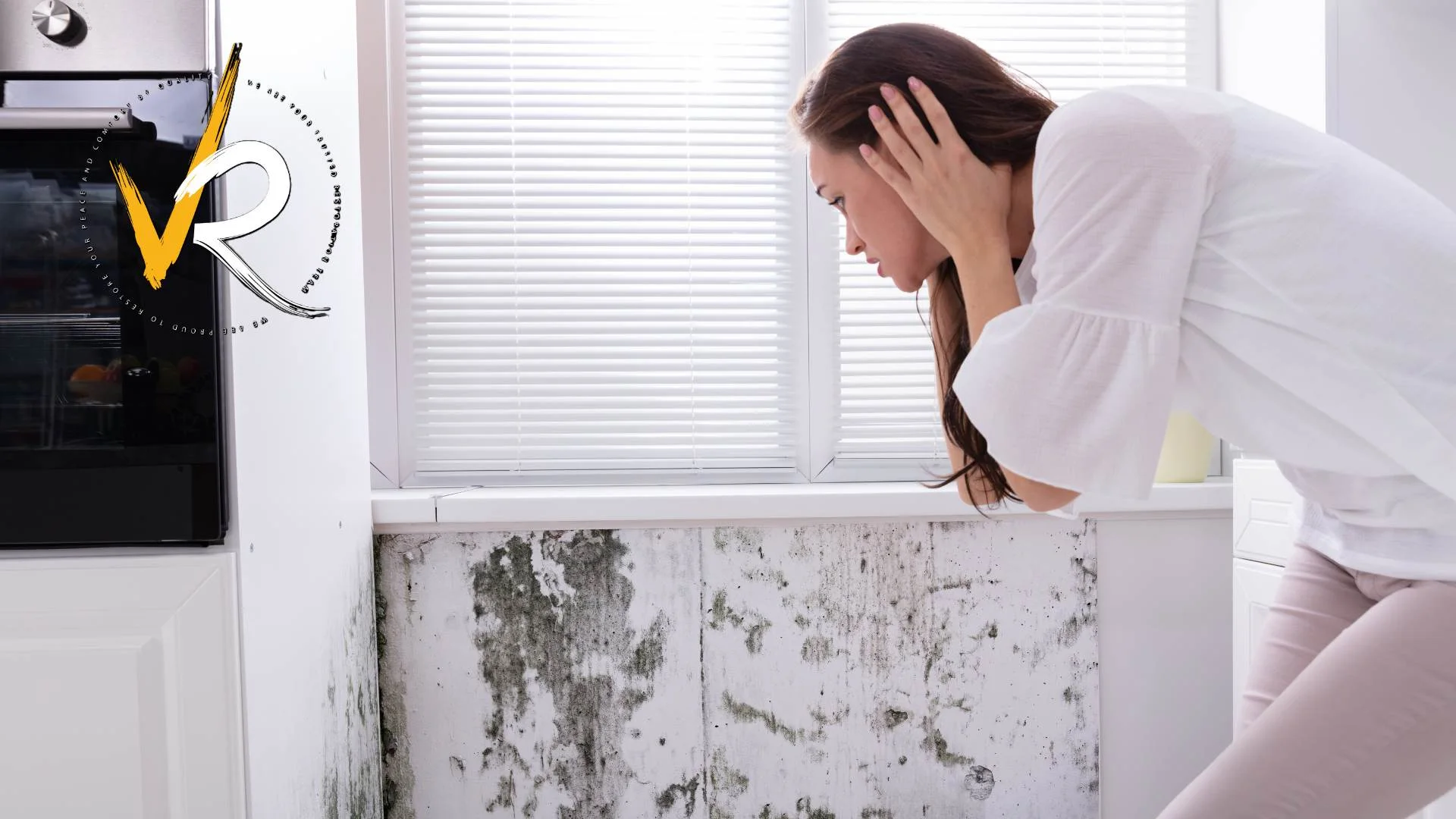
Dark mold concerns • West Vancouver
Get a measured assessment of dark or black coloured growth without relying on colour alone to identify the problem.
Colour is not identification
Many types of mold can appear black, dark green or brown. Colour alone cannot identify a species or determine the level of risk. A useful inspection focuses first on the amount of affected material, the moisture conditions, the location and whether the growth may extend into a concealed space.
The phrase “black mold” often creates understandable concern. The best response is calm and evidence based: avoid disturbing the material, identify why the area became damp and decide whether sampling would change the remediation plan.
For West Vancouver properties, dark growth may appear near windows, exterior corners, basements, roof spaces or areas affected by plumbing and building envelope leaks. Each pattern calls for a different investigation.
What we look for
The same dark appearance can occur on different materials for different reasons. Inspection helps separate surface condensation issues from deeper water damage and concealed impact.
The scope of affected material and the cause of moisture are usually more important to the remediation plan than the colour alone.
A small window edge patch is different from widespread growth across drywall, sheathing or framing.
Porous materials that are damaged or deeply colonized may require removal rather than surface cleaning.
Roof leaks, plumbing, foundation moisture and condensation require different corrective work.
Visible growth at a seam, baseboard or ceiling edge may continue behind the finished surface.
Bedrooms, rental units and shared strata areas may require additional planning and documentation.
Brushing, sanding or removing affected material can release particles and should not begin without a plan.
A clear local process
The inspection documents visible conditions, investigates moisture and recommends testing only when the result may clarify the scope or next step.
Review when the dark growth appeared, whether it returns and any known leak or condensation history.
Document the size, material, location and nearby signs of water movement or damage.
Compare the suspect area with surrounding materials and consider likely pathways into the assembly.
Explain whether cleaning, targeted testing, controlled removal or further building investigation may be appropriate.
Do not disturb it first
Avoid sanding, dry brushing or cutting into suspect material. These actions can spread dust and make the original extent harder to document. If there is an active leak, address the water source safely and keep people away from damaged materials.
Photographs and a short timeline are useful. Note recent storms, plumbing issues, renovations, ventilation changes or periods when the home was closed up. This information can help connect visible growth with the conditions that produced it.
West Vancouver coverage
Coastal rain, shaded walls, complex rooflines and cold exterior corners can all influence moisture in West Vancouver buildings. The assessment considers those local conditions without assuming that every dark mark has the same cause.
Service is available throughout West Vancouver for houses, condos, strata properties and commercial spaces.
Questions from property owners
No. Colour and appearance are not enough to identify a mold species. Laboratory analysis is required for identification when that information is necessary.
No. Many molds can appear dark, and other staining can also look similar. Inspection focuses on moisture, material condition and extent.
It is usually better not to disturb or clean the suspect area first. Photographs and undisturbed conditions can provide useful context.
No. Testing is recommended when it is likely to answer a specific question or affect the next step. Visible impact and moisture may already be enough to plan corrective work.
Yes. Condo inspections consider the unit, adjacent assemblies and possible strata responsibilities.
West Vancouver mold help
Call to explain what you have noticed, or use the request form and include the location of the concern.