
Roof and parapet leaks
Flat roofs, drains, flashing and rooftop equipment can create recurring ceiling or wall damage.
 IICRC Certified
 VRCA Certificate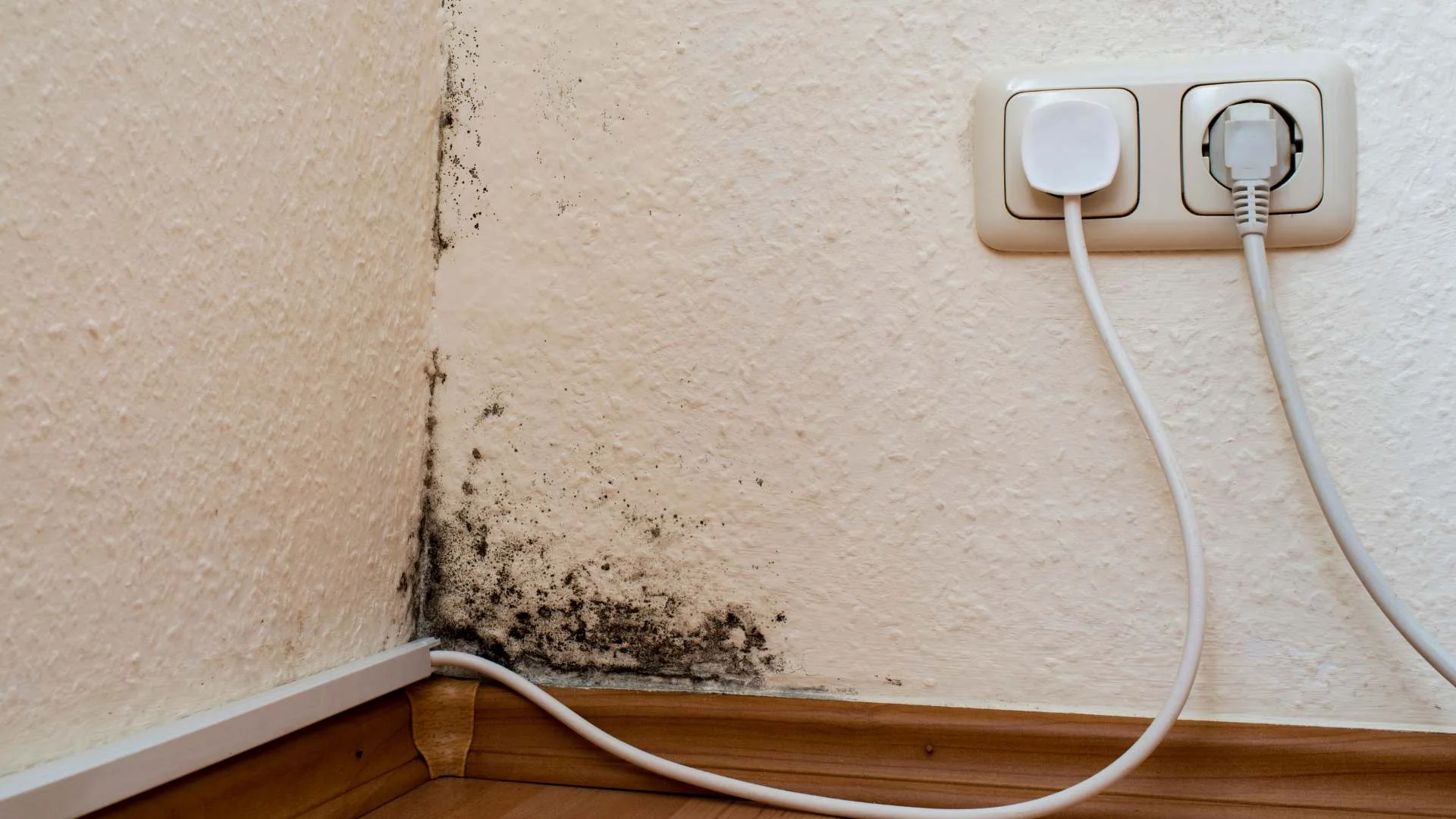
Commercial property assessment • West Vancouver
Assess moisture and mold concerns with attention to occupied areas, building operations and practical project planning.
Protect the building and its use
A moisture concern in an office, retail space, clinic, restaurant or managed building can affect operations as well as the physical property. The investigation should identify the areas involved, immediate water control needs and what can be done without unnecessarily disrupting unaffected spaces.
Commercial buildings often include shared roofs, mechanical systems, tenant improvements and concealed service routes. Reviewing maintenance history, leak records and recent construction can help connect visible damage with the correct building system.
The inspection provides organized observations that can support communication among owners, tenants, property managers, contractors and insurers. It is not a substitute for engineering or occupational health advice when those disciplines are required.
Commercial warning signs
Early documentation can help prevent repeated repairs and clarify whether the issue is isolated or linked to a broader building condition.
The assessment is planned around accessible areas and the way the space is used.
Flat roofs, drains, flashing and rooftop equipment can create recurring ceiling or wall damage.
Supply lines, drains and fire suppression systems can wet large concealed areas.
Drain pans, lines, insulation and temperature differences can create localized moisture.
Reduced ventilation and delayed leak discovery can allow damp conditions to persist.
Contents placed against cool or damp surfaces may restrict airflow and conceal growth.
Past renovations can cover older damage or change ventilation and drainage pathways.
A clear local process
The process balances useful investigation with safe access and the operational needs of the property.
Identify occupied zones, sensitive activities, known leaks and access or scheduling constraints.
Map visible conditions, material damage, moisture patterns and relevant building systems.
Separate active water control, further investigation and remediation planning into a clear sequence.
Provide observations that can be shared with property management and the appropriate repair professionals.
Plan before work begins
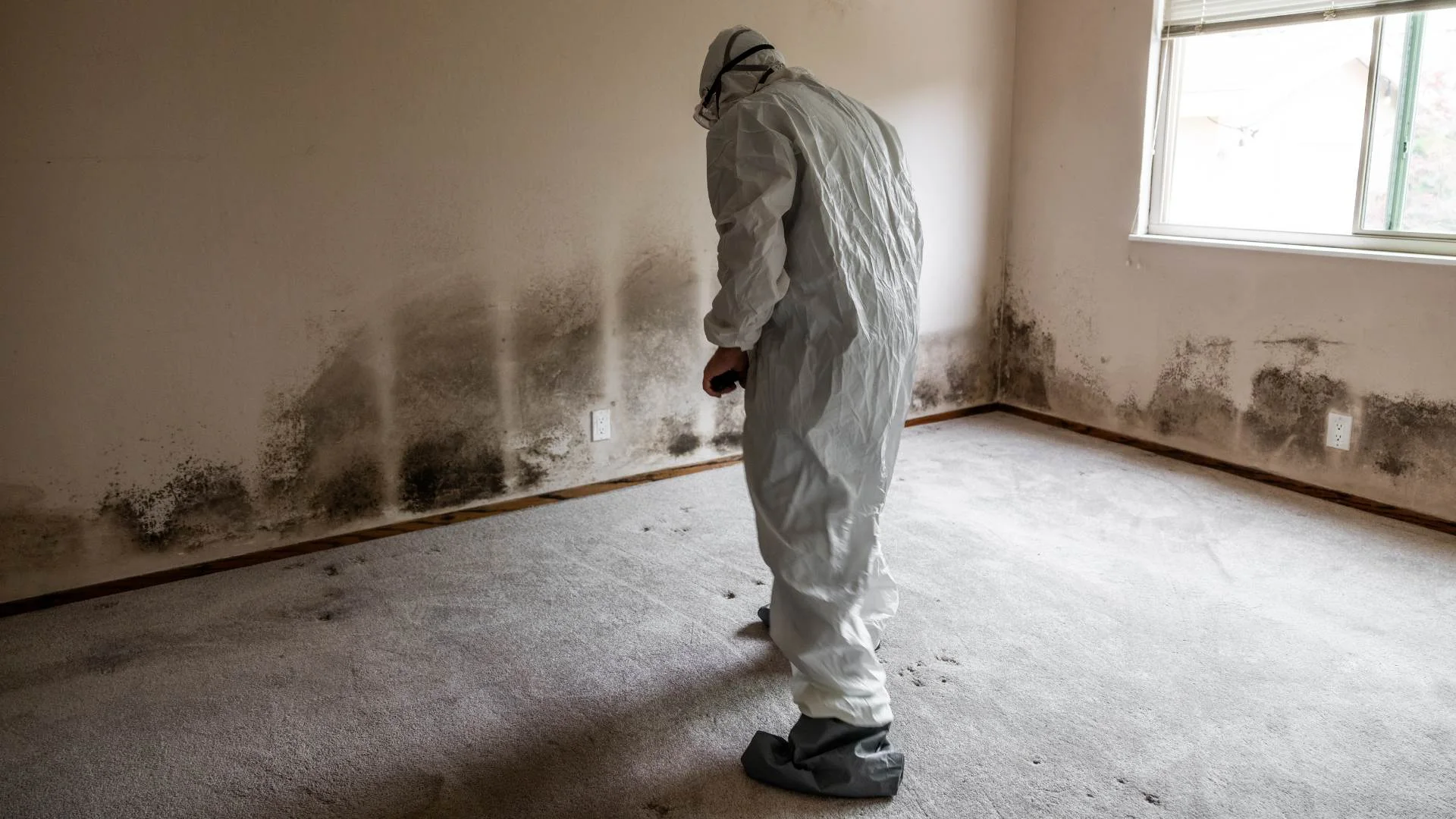
Commercial remediation may need to occur in phases or outside normal operating hours. The affected area, pathways to occupied spaces, material handling route and ventilation conditions all influence the plan.
Source repair and remediation should be coordinated so cleaned or reconstructed areas are not exposed to continued moisture. When specialized clearance criteria or occupational requirements apply, an independent consultant may be appropriate.
West Vancouver coverage
West Vancouver commercial properties include street level retail, professional offices, hospitality spaces, institutional buildings and mixed use strata developments. The inspection approach is adapted to the occupancy and building systems.
Service is available throughout West Vancouver for owners, tenants and property managers with authorized access.
Questions from property owners
Scheduling needs can be discussed. Access, lighting and building representatives may still be required for a complete assessment.
The inspection documents conditions and likely moisture pathways. Contractual or legal responsibility is outside the scope of a building assessment.
Yes, when access is authorized. The inspection scope should clearly identify the units, common areas and building systems included.
That depends on the condition, location and any work underway. Site specific occupancy decisions may require advice from an industrial hygienist or other qualified professional.
Useful records include leak reports, roof and plumbing repairs, floor plans, HVAC service information, photographs and prior inspection or remediation documents.
West Vancouver mold help
Call to explain what you have noticed, or use the request form and include the location of the concern.