
Musty odour with no visible source
Air sampling may add context when inspection does not reveal where an odour originates.
 IICRC Certified
 VRCA Certificate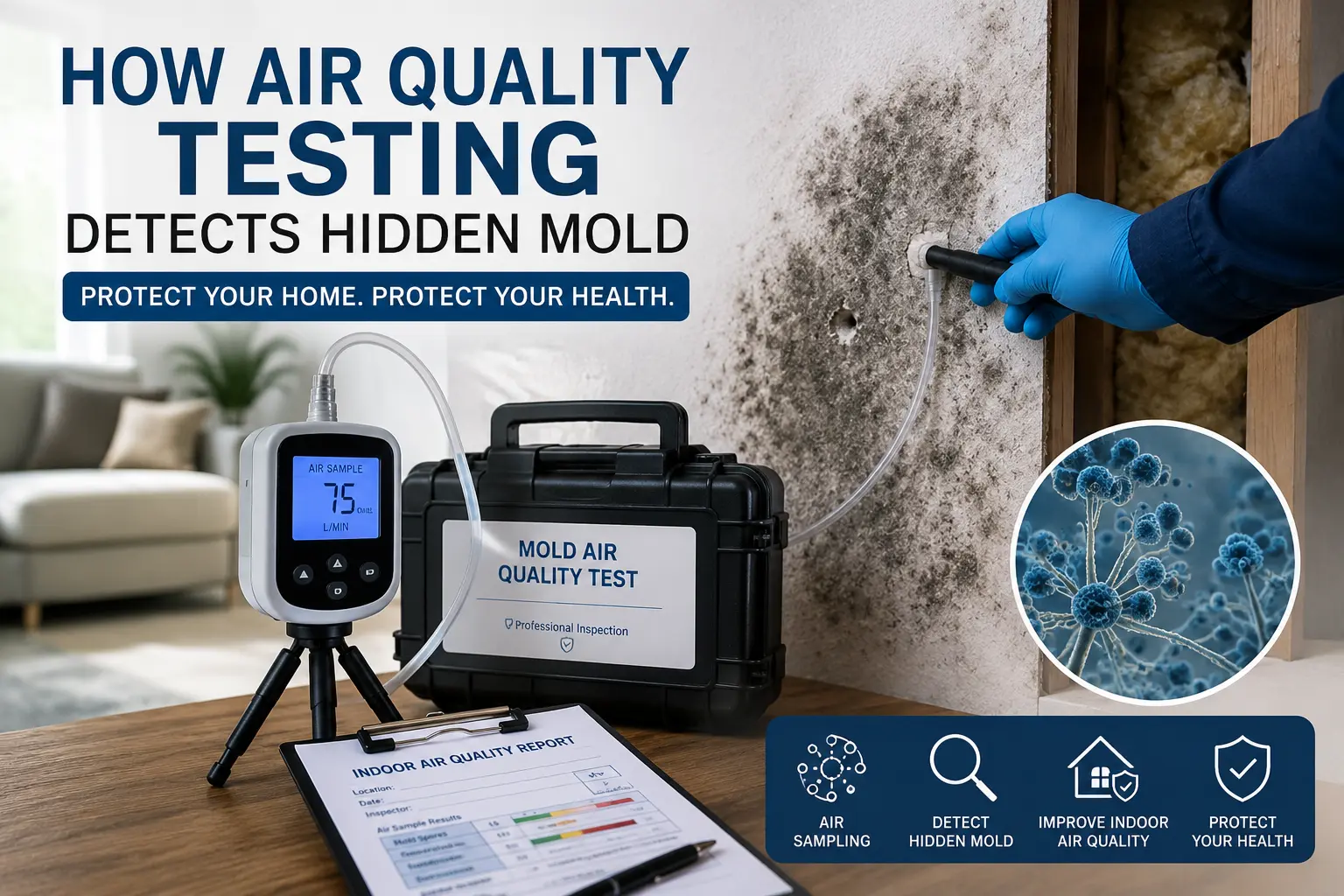
Indoor air assessment • West Vancouver
Investigate mold related indoor air concerns using targeted sampling and building observations, not numbers without context.
A building and air investigation
Air sampling can provide a snapshot of airborne fungal particles at a particular place and time. It can be useful when occupants report a musty odour, concealed impact is suspected or documentation is needed after water damage. It does not replace a visual inspection or moisture investigation.
Results can change with weather, ventilation, windows, cleaning and activity in the room. Comparison samples and a clear sampling plan are important because a single indoor number has limited meaning on its own.
A useful assessment combines air results with the building history, visible conditions and moisture measurements. This helps West Vancouver property owners understand whether the findings support further investigation or corrective work.
When sampling may help
The sampling plan should be designed around a specific concern. More samples do not automatically create a better answer.
Health diagnosis is outside the scope of property testing; medical questions should be discussed with a qualified healthcare provider.
Air sampling may add context when inspection does not reveal where an odour originates.
Sampling can be considered when materials were wet and the adequacy of drying or cleanup is uncertain.
Results may support communication when the suspected source extends beyond one accessible unit.
A documented plan can help investigate a concern while considering HVAC zones and business operations.
Independent assessment may be appropriate when a project scope requires documented conditions after cleanup.
Samples from suspect, unaffected and outdoor locations can provide more useful context than one isolated result.
A clear local process
Sampling is planned after the purpose, property conditions and relevant comparison areas are understood.
Discuss odours, water history, rooms involved, occupant observations and how the results will be used.
Review visible conditions, moisture indicators, ventilation and activities that could influence the sample.
Use selected indoor and comparison locations with consistent procedures and clear documentation.
Review laboratory findings alongside the property observations and explain practical next steps.
Avoid number only conclusions
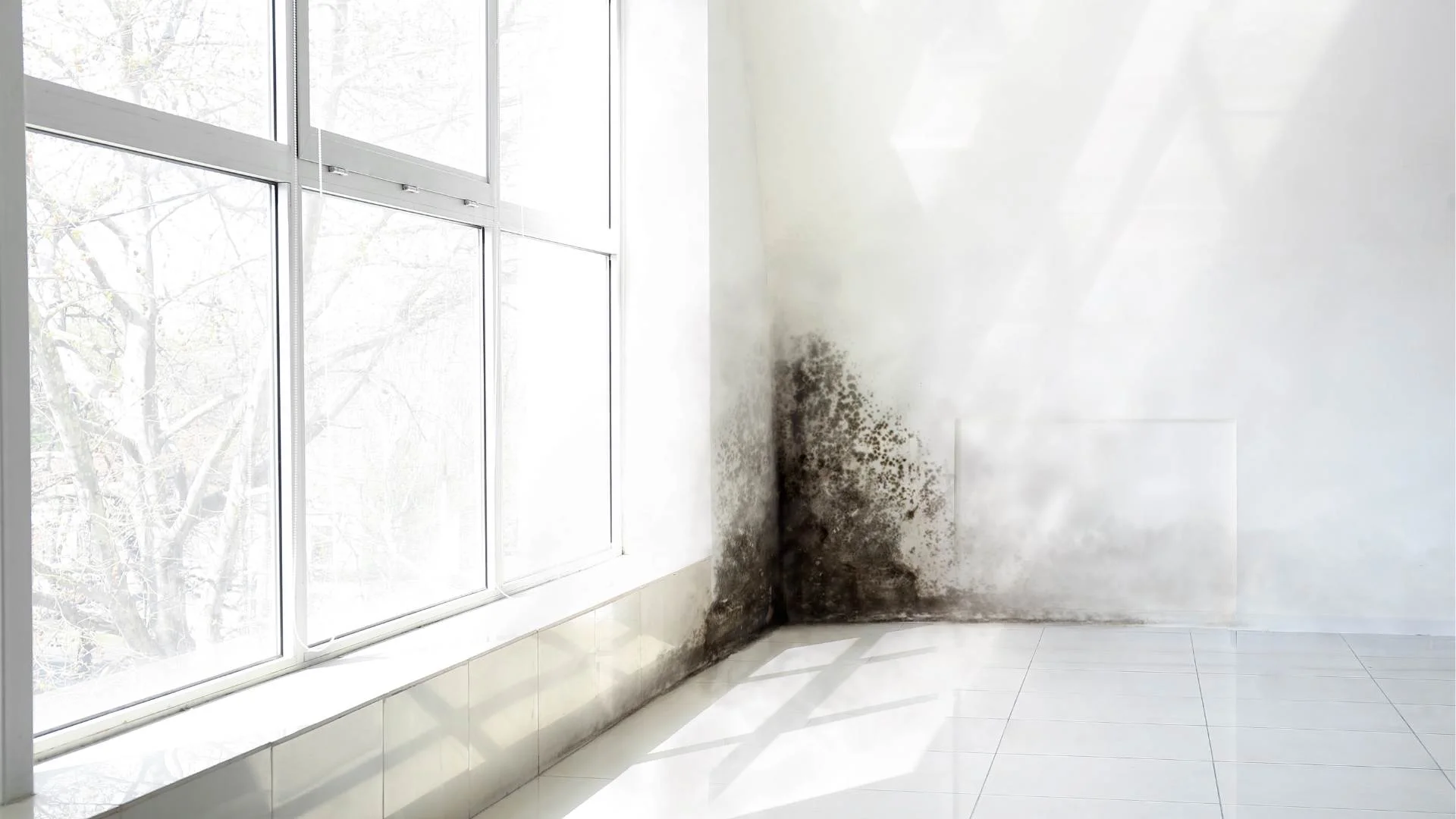
There is no single universal indoor mold number that answers every property question. The types and relative distribution of particles, outdoor conditions, room use and evidence of moisture all matter.
A result should be used to support investigation and decision making, not to create certainty beyond what the sampling method can provide. Limitations and conditions at the time of sampling should be documented.
West Vancouver coverage
Coastal humidity, seasonal rain, tightly closed homes and varied ventilation systems can all affect indoor conditions. Sampling plans are adapted to the property rather than using the same locations for every job.
Testing is available for homes, condos, offices and managed properties throughout West Vancouver.
Questions from property owners
No. Air testing is a limited snapshot and cannot prove the absence of all mold. Results should be considered with inspection and moisture findings.
Sampling conditions depend on the purpose. Window and HVAC status should be consistent with the plan and recorded because they can affect results.
The number depends on the property layout, areas of concern and comparison strategy. A targeted plan is preferable to an arbitrary sample count.
No. Property testing does not diagnose medical conditions. Discuss symptoms and health concerns with a qualified healthcare provider.
Yes, when post remediation assessment is part of the project plan. Independence, timing and acceptance criteria should be established before testing.
West Vancouver mold help
Call to explain what you have noticed, or use the request form and include the location of the concern.