
White or dark growth on wood
Visible spotting or fuzzy growth on joists and subflooring can indicate sustained dampness.
 IICRC Certified
 VRCA Certificate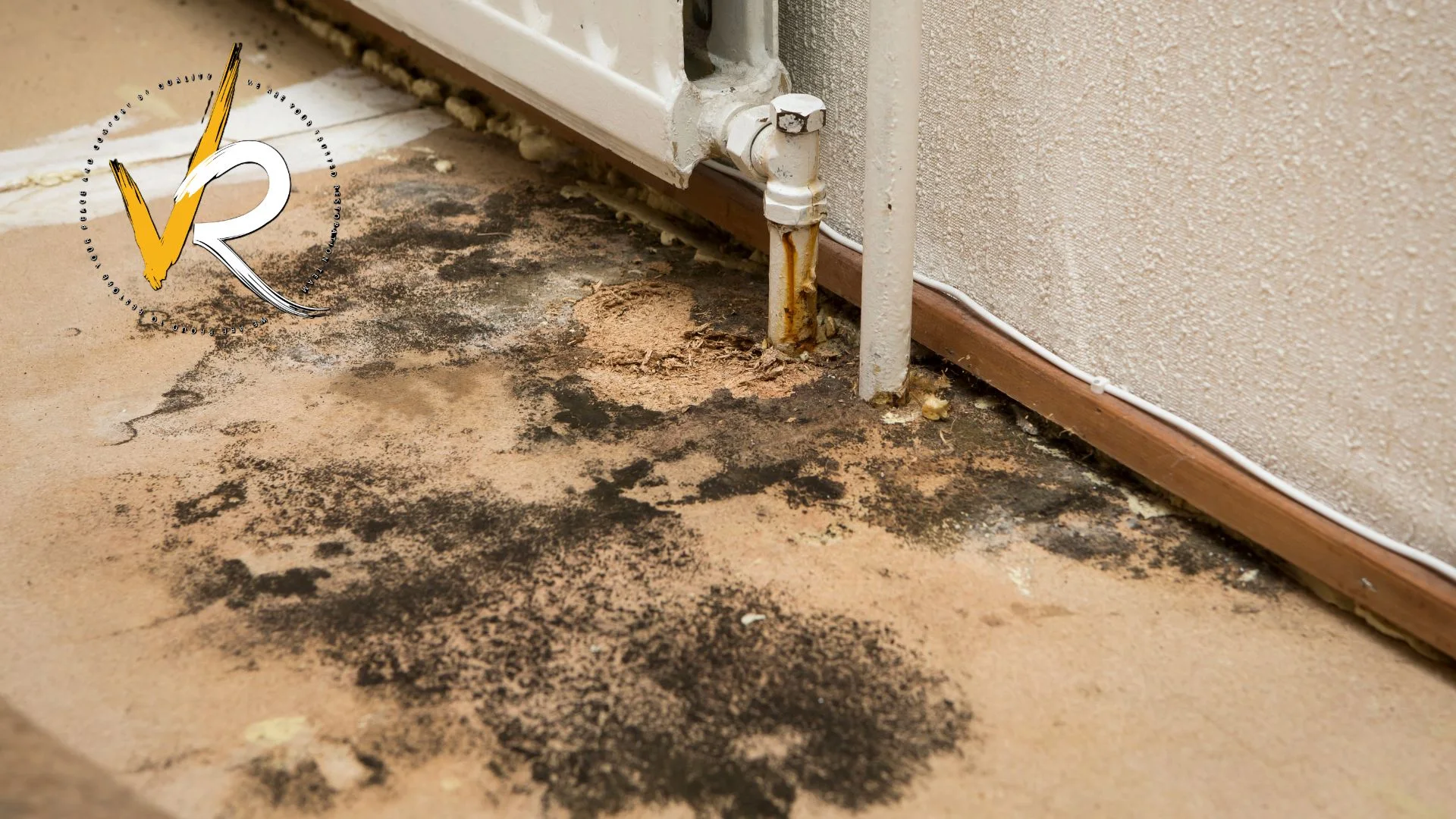
Below floor moisture review • West Vancouver
Assess damp framing, foundation moisture and musty conditions beneath your home before damage progresses.
Moisture below the home
Crawl spaces are vulnerable to ground moisture, drainage problems, plumbing leaks and humid outdoor air. Because they are out of sight, damp conditions can continue for long periods before odours, pests or floor changes are noticed inside the home.
West Vancouver sites can be steep, shaded and exposed to extended rainfall. Surface drainage, foundation details and seasonal groundwater can influence the moisture level below a house. Vent openings alone do not always keep a crawl space dry.
An inspection looks at accessible wood framing, insulation, foundation walls, soil or ground cover, plumbing and signs of water movement. The goal is to connect visible mold or staining with the source that must be corrected.
Signs below the floor
A musty crawl space can affect stored materials and may indicate moisture reaching structural wood. Changes should be assessed before installing new insulation or covering surfaces.
Safety and access matter. Low clearances, electrical hazards, pests and deteriorated materials may limit the accessible inspection area.
Visible spotting or fuzzy growth on joists and subflooring can indicate sustained dampness.
Puddles, seepage and saturated ground increase humidity and can wet adjacent materials.
Exposed damp soil can release significant moisture into an enclosed crawl space.
Slow supply, drain or appliance leaks may affect insulation and framing without obvious signs upstairs.
Wet, displaced or contaminated insulation can hide the condition of the subfloor and joists.
Air movement from the crawl space can carry odours through gaps and service penetrations.
A clear local process
The inspection follows visible water paths and building details while respecting safe access limitations.
Discuss odours, flooding, drainage work, plumbing history and when the issue is most noticeable.
Check framing, subfloor, insulation, foundation surfaces, penetrations and the condition of the ground.
Consider drainage, seepage, evaporation, ventilation, plumbing and exterior grading.
Separate immediate water control needs from remediation, insulation and longer term crawl space improvements.
Control water and humidity
Cleaning visible growth without changing the damp environment can lead to recurrence. Drainage, plumbing, ground cover, air sealing and humidity management may all play a role, depending on the crawl space design.
Affected insulation and debris can obstruct the inspection and may need controlled removal. Sound structural wood and damaged material should be evaluated separately so the work plan addresses both contamination and building performance.
West Vancouver coverage
Hillside runoff, shaded foundations and older construction details are common local considerations. The inspection takes the site and building layout into account instead of treating every crawl space the same.
Service is available for accessible crawl spaces throughout West Vancouver, including older homes and renovated properties.
Questions from property owners
Musty odours commonly relate to damp soil, wet wood, contaminated insulation or stagnant moisture. An inspection helps identify the contributors.
Not always. Outdoor air can add humidity during some conditions, and vents do not correct leaks, drainage problems or exposed damp soil.
Air can move through plumbing, wiring and framing gaps. The degree of connection depends on the building, so both crawl space conditions and air pathways should be considered.
Insulation that is wet, damaged, contaminated or blocking access may need removal. Clean, dry and properly installed material may be retained.
Access depends on clearance and safety. Any inaccessible areas or limitations should be documented, and other investigation methods may be discussed.
West Vancouver mold help
Call to explain what you have noticed, or use the request form and include the location of the concern.