
Musty or earthy odours
Recurring odours near a wall, cabinet, ceiling or floor can justify a closer moisture investigation.
 IICRC Certified
 VRCA Certificate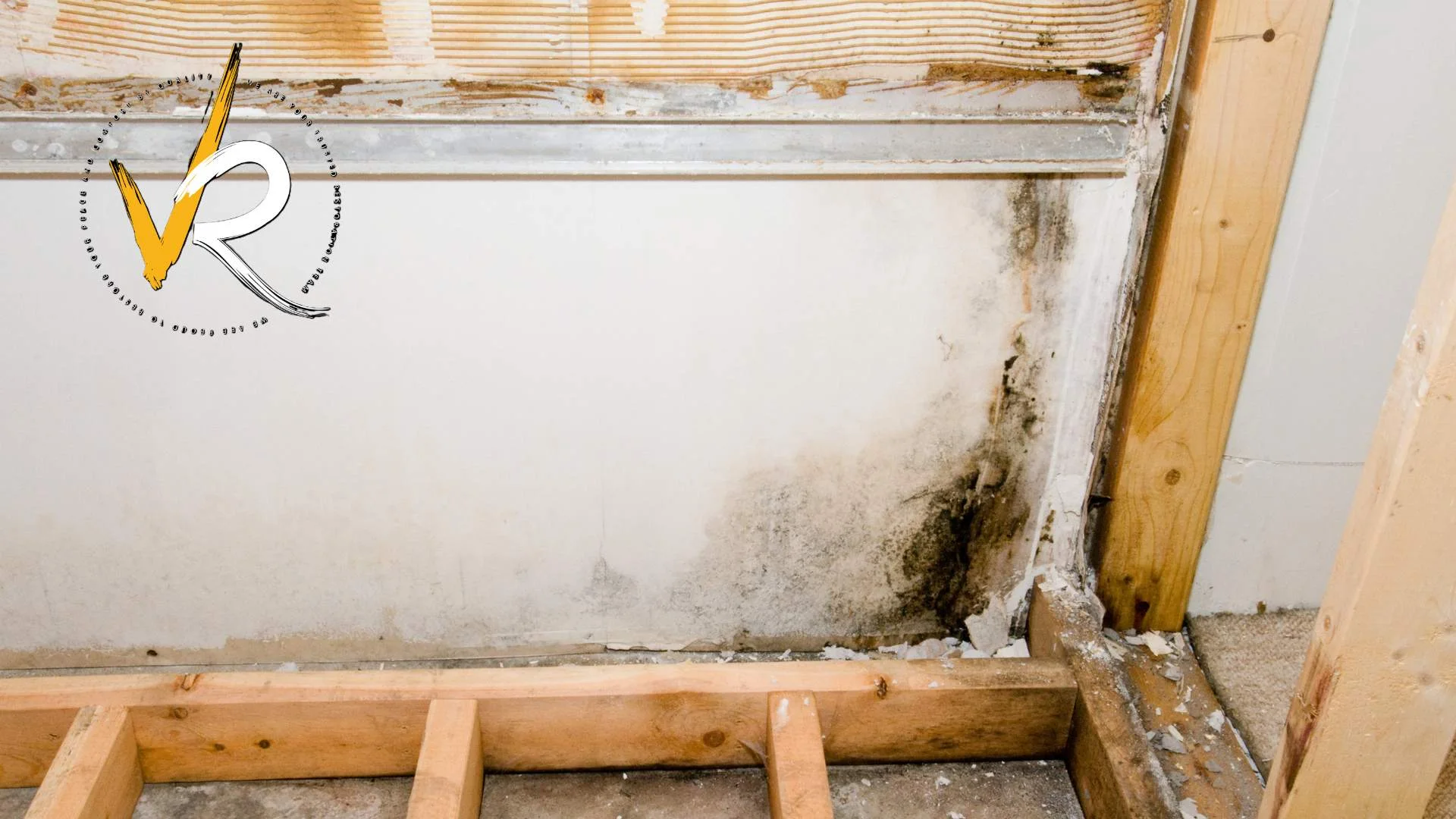
Hidden mold investigation • West Vancouver
Investigate musty odours, water damage and suspicious building conditions before opening walls or planning repairs.
Find the conditions first
Mold can develop behind drywall, beneath flooring, inside cabinets or around roof and plumbing assemblies when moisture remains trapped. Effective mold detection is not based on guessing from an odour alone. It combines the property history, a visual review and moisture focused screening to narrow down likely sources.
In West Vancouver, rain exposure, roof transitions, balconies, foundation walls and indoor humidity can create different pathways for moisture. The investigation should follow the building and the evidence instead of opening finishes at random.
When screening indicates a concern, selective access or targeted sampling may be recommended. The aim is to define the next step while avoiding unnecessary damage to finished areas.
Warning signs
One sign by itself does not prove mold is present. A pattern of odour, staining, material change and moisture history is more informative.
Early investigation can help identify a small source before repeated wetting affects a larger part of the assembly.
Recurring odours near a wall, cabinet, ceiling or floor can justify a closer moisture investigation.
Discolouration, peeling coatings or softened drywall may indicate current or previous wetting.
Plumbing leaks, roof entry and appliance failures can leave moisture behind finished materials.
Cold exterior corners, windows and poorly ventilated rooms may collect moisture over time.
Swollen baseboards, cupped flooring or separated finishes can reveal moisture movement.
Growth that returns after cleaning usually means the underlying condition has not been corrected.
A clear local process
The process starts with the least invasive methods and moves toward selective confirmation only when the evidence supports it.
Identify leaks, odours, seasonal patterns, repairs and the locations where changes were first noticed.
Review visible surfaces and use moisture focused tools to compare suspect and unaffected areas.
Consider plumbing, exterior entry, condensation and ventilation based on the observed pattern.
Recommend targeted access, sampling or corrective work when screening identifies a credible concern.
Avoid random demolition
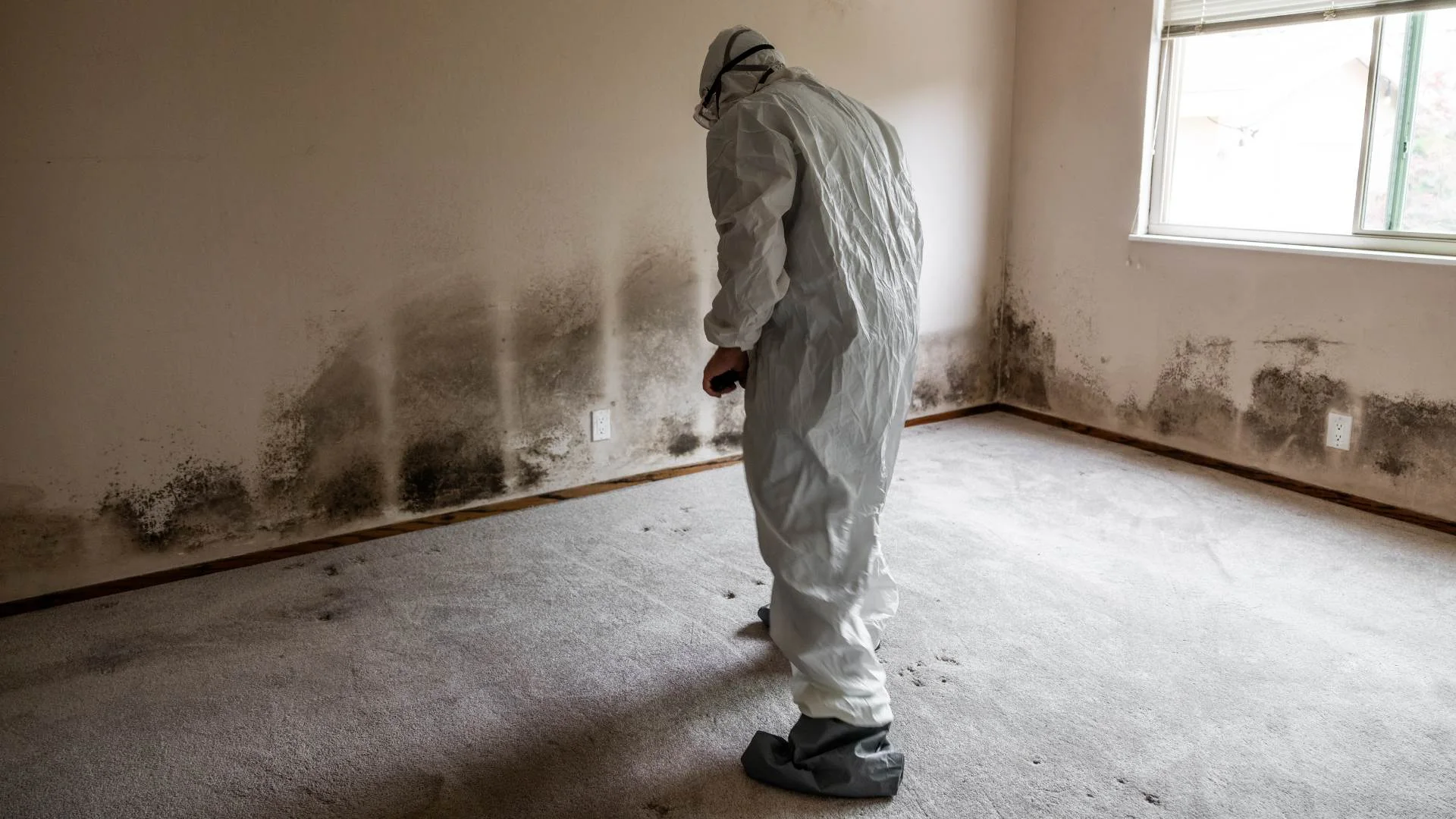
Opening a wall without a plan can spread dust, miss the source and create avoidable repair work. Moisture patterns and building details help identify where controlled access is most likely to provide useful information.
If suspect material must be disturbed, the size and location of the potential impact should be considered first. Larger or uncertain areas may require containment and professional remediation rather than exploratory removal by an occupant.
West Vancouver coverage
West Vancouver’s coastal climate and varied housing stock make local building context important. Waterfront exposure, steep sites, older drainage systems and complex rooflines can each influence where moisture appears.
We focus on homes, condos and commercial properties throughout West Vancouver, with findings explained in straightforward language.
Questions from property owners
Non destructive screening can identify moisture patterns and areas of concern, but concealed conditions sometimes require targeted access or sampling for confirmation.
Not always. Odours can come from damp materials, drains or other sources, but a persistent musty odour is a reasonable signal to investigate moisture.
No. Thermal imaging can show temperature patterns that may be consistent with moisture, but it does not identify mold by itself. Findings need context and often moisture measurement.
Stop the source, remove standing water and begin drying promptly. If materials remained wet or odours and staining developed, arrange an assessment.
Yes. Older homes can have unique wall, roof and foundation assemblies, so the investigation is adapted to the property.
West Vancouver mold help
Call to explain what you have noticed, or use the request form and include the location of the concern.